usaginingen Kunsthaus
We have lived on Teshima, cultivated fields, performed, and built and maintained our theater and park with our own hands. Depending on the season and the projects underway, we move between several roles, sometimes within a single day. After ten years of living this way, we bought an old house next to the theater.
Just as our life on the island cannot be confined to a single role, we do not want to assign this house a fixed purpose. For now, we use it to store artworks and materials, paint, and make things. As our needs and interests change, we reconsider how to use the space and continue modifying the house itself. Rather than deciding in advance what constitutes art, we keep using and making things in ways that make sense to us.
usaginingen Kunsthaus
We have lived on Teshima, cultivated fields, performed, and built and maintained our theater and park with our own hands. Depending on the season and the projects underway, we move between several roles, sometimes within a single day. After ten years of living this way, we bought an old house next to the theater.
Just as our life on the island cannot be confined to a single role, we do not want to assign this house a fixed purpose. For now, we use it to store artworks and materials, paint, and make things. As our needs and interests change, we reconsider how to use the space and continue modifying the house itself. Rather than deciding in advance what constitutes art, we keep using and making things in ways that make sense to us.
01 / THE HOUSE
How We Came Across This House
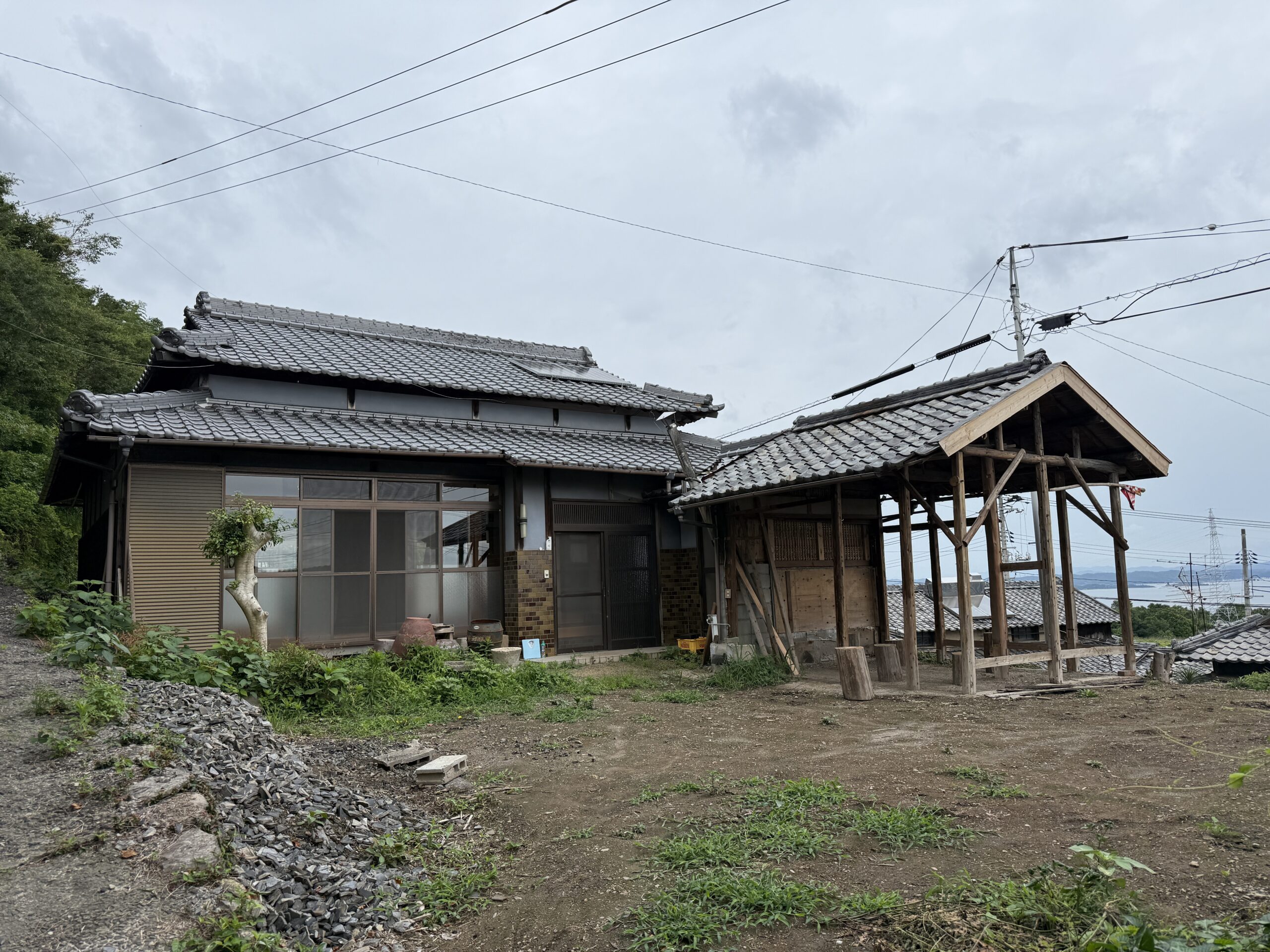
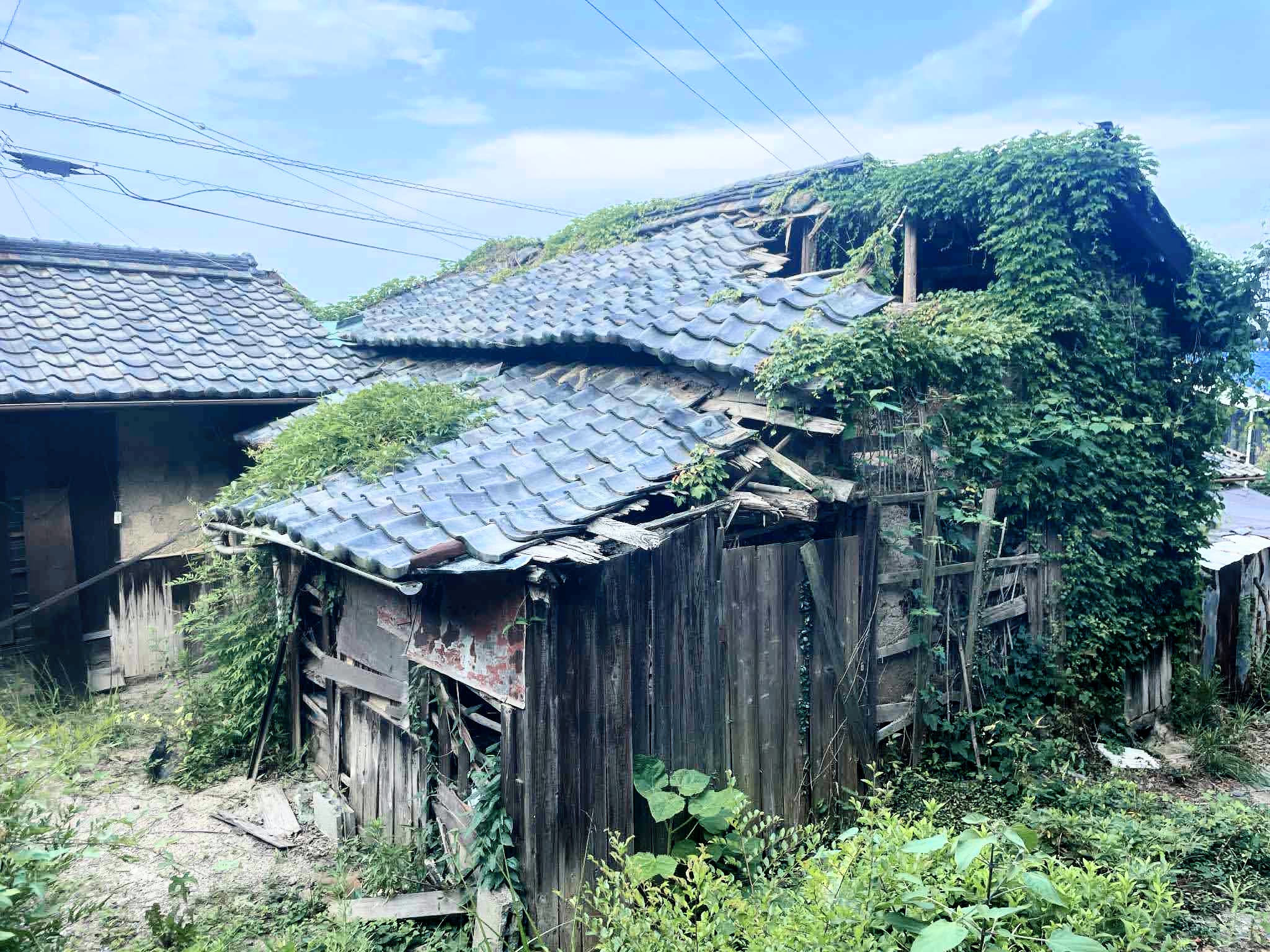
The house stands along the road leading to Karato Spring and had been unused for nearly 30 years.
We came across it while helping someone who was planning to move to Teshima find a home. We initially hoped to rent it on the condition that we demolish the collapsing cowshed ourselves, but the owner wanted to sell.
Although the person eventually decided not to move to the island, we bought the house without a clear plan for how to use it. We wanted to continue shaping, on our own terms, the environment in which we had built our lives over the previous ten years.
WHY KUNSTHAUS
The decision to name this house Kunsthaus, German for “house of art,” has its roots in our life in Berlin, before we moved to Teshima. During that time, we became more conscious of how food was produced and began wanting to make things with our own hands. That interest has since expanded into every aspect of our life on Teshima, from cultivating fields and performing to creating places.
01 / THE HOUSE
How We Came Across This House
The house stands along the road leading to Karato Spring and had been unused for nearly 30 years.
We came across it while helping someone who was planning to move to Teshima find a home. We initially hoped to rent it on the condition that we demolish the collapsing cowshed ourselves, but the owner wanted to sell.
Although the person eventually decided not to move to the island, we bought the house without a clear plan for how to use it. We wanted to continue shaping, on our own terms, the environment in which we had built our lives over the previous ten years.
WHY KUNSTHAUS
The decision to name this house Kunsthaus, German for “house of art,” has its roots in our life in Berlin, before we moved to Teshima. During that time, we became more conscious of how food was produced and began wanting to make things with our own hands. That interest has since expanded into every aspect of our life on Teshima, from cultivating fields and performing to creating places.
02 / IN USE
Making as We Use It
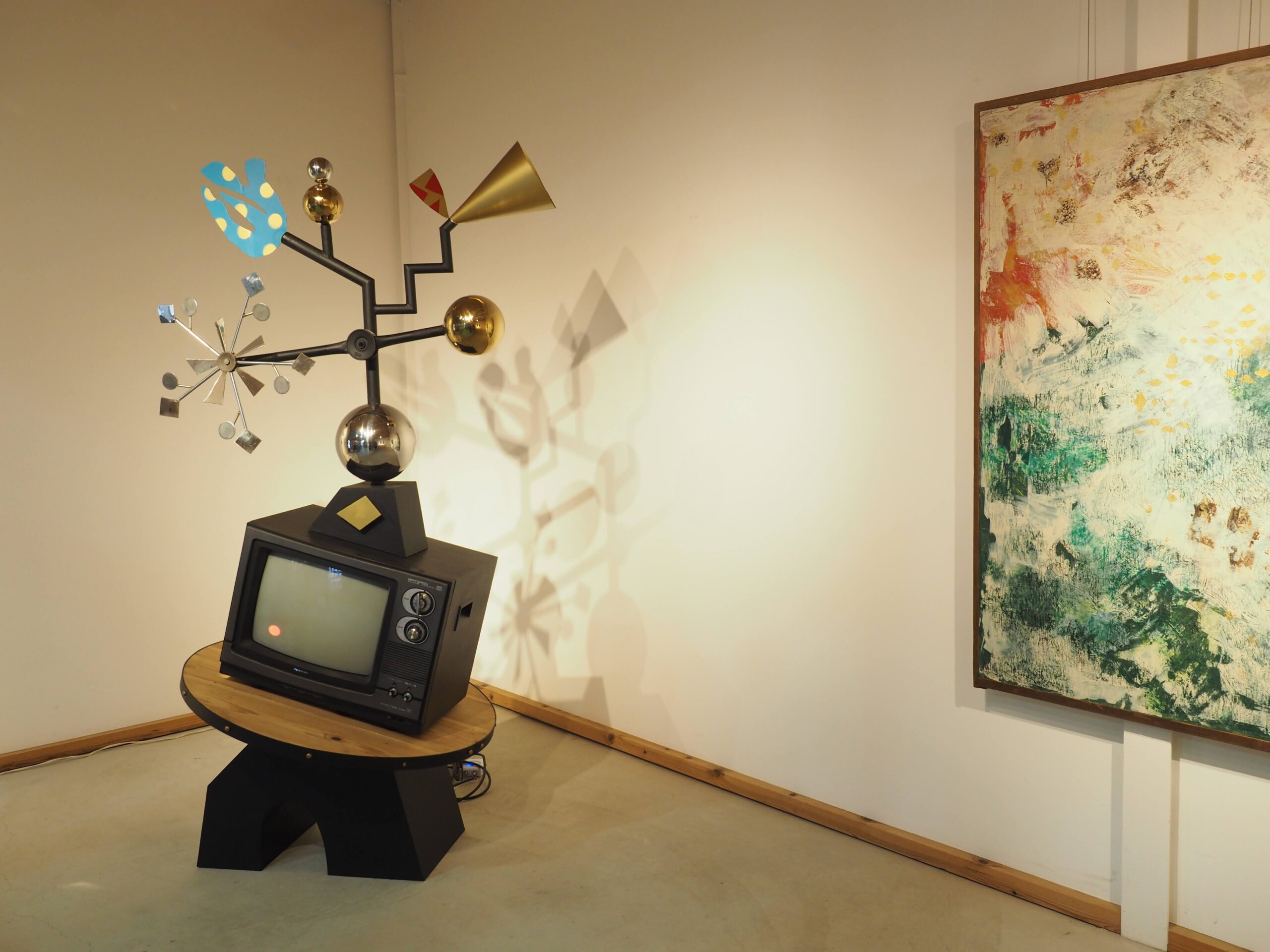
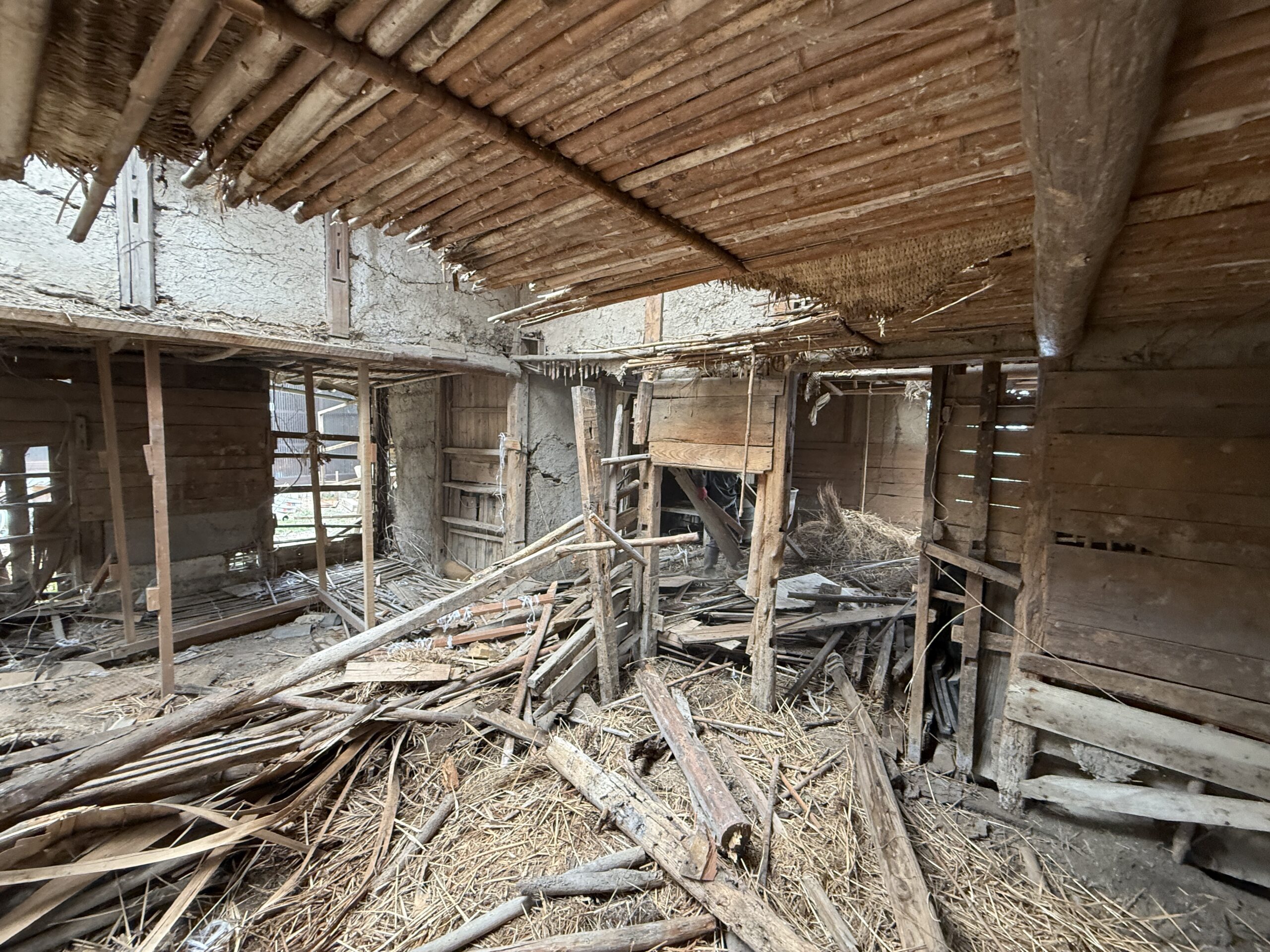
For now, the house stores artworks returned from exhibitions, along with furniture and household appliances given to us by neighbours on the island and people from other places. We drink tea, paint, and make things here using a lathe. A CRT television left in the house has become a circus sculpture, and we plan to turn a donated shoe cabinet into another work while retaining its original form. From the cowshed we demolished, we kept a wooden post worn down by a cow rubbing its horns against it. We are considering using it as a structural post in the house.
We want to develop a storage system that makes artworks and materials easy to access, with structures that can open and move like sculptures themselves. Visitors will be able to operate parts of the system without touching the artworks stored inside. We are also exploring ways to use rainwater and create murals.
02 / IN USE
Making as We Use It
For now, the house stores artworks returned from exhibitions, along with furniture and household appliances given to us by neighbours on the island and people from other places. We drink tea, paint, and make things here using a lathe. A CRT television left in the house has become a circus sculpture, and we plan to turn a donated shoe cabinet into another work while retaining its original form. From the cowshed we demolished, we kept a wooden post worn down by a cow rubbing its horns against it. We are considering using it as a structural post in the house.
We want to develop a storage system that makes artworks and materials easy to access, with structures that can open and move like sculptures themselves. Visitors will be able to operate parts of the system without touching the artworks stored inside. We are also exploring ways to use rainwater and create murals.
03 / BESIDE THE BUSTLE
Beside the Bustle
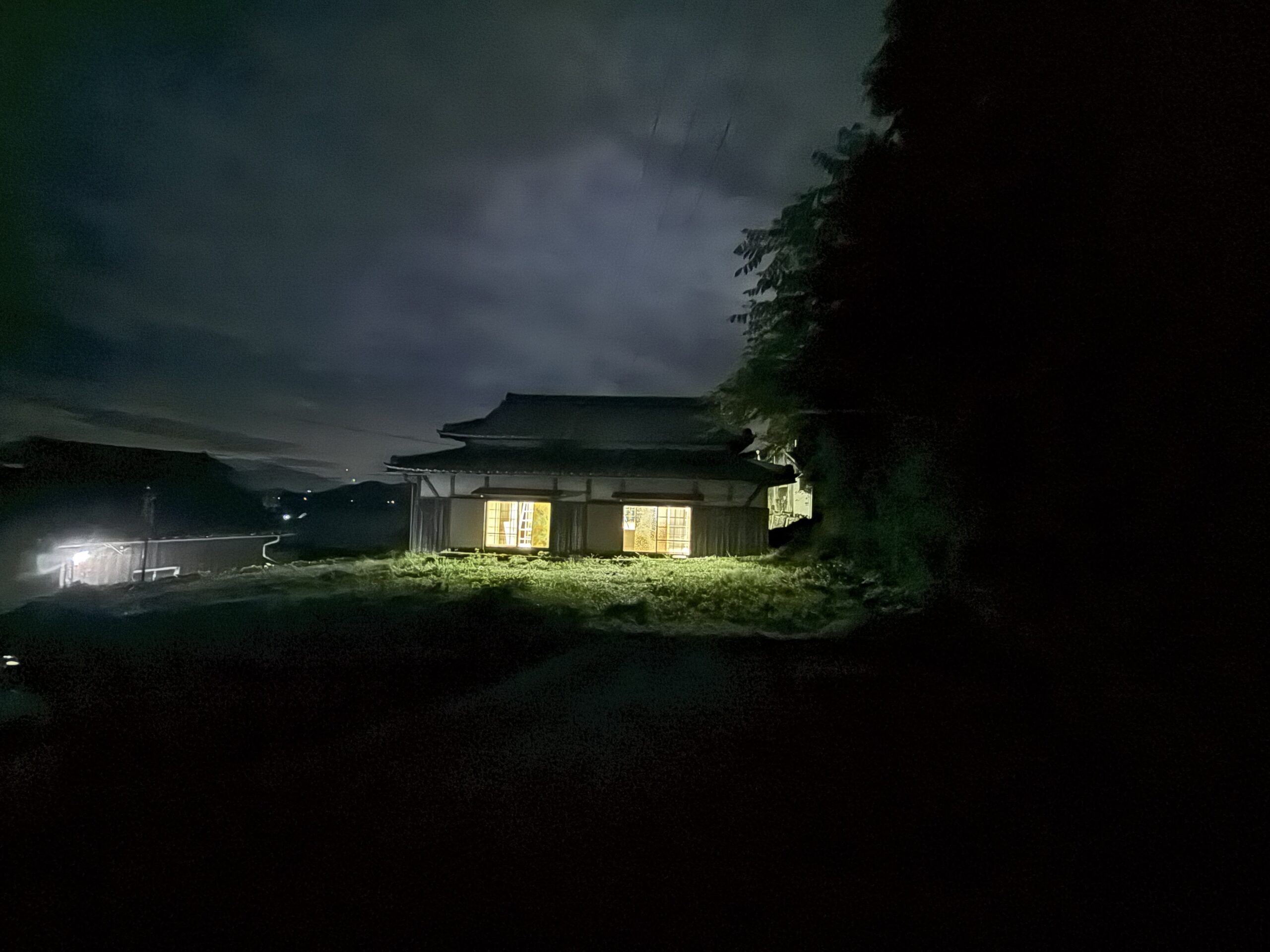
Teshima attracts visitors from around the world who come to see its artworks. Just beside this bustle, island residents and we ourselves go about our daily lives. Dealing with wild boars, searching for someone to take over the island’s only mandarin orange farm, volunteer firefighters responding to accidents involving tourists, and community meetings that are becoming less frequent as the population ages are all part of everyday life here.
At Kunsthaus, we want to welcome people into our workspace even while works are still in progress, offer them a drink, and have a conversation. Ideally, over coffee brewed with water from Karato Spring. We hope it will become a place where people who come to the island for its art can also encounter something of our everyday life here.